A roof is more than a cap on the building. It controls heat flow, water management, fire spread, and service life costs that span decades. When owners ask where sustainability meets common sense, I point to two categories that have matured to the point of offering predictable results: cool roofs and recycled-content shingles. Both can shrink utility bills and landfill waste, and both can complicate installation if you skip the small details. The choices look simple on a brochure. On a real jobsite, they are a set of trade-offs that reward careful planning, a steady hand from an experienced roofer, and honest cost modeling.
What we mean by cool roofs
A cool roof reflects more solar radiation and emits more heat than a conventional dark roof. The physics are not marketing fluff. Reflectance and emittance drive surface temperature, and surface temperature drives heat into the assembly and the occupied space below. The commercial roofing contractor difference is visible to the hand on a hot day. I have taken infrared camera snapshots at 2 p.m. In July that showed a black modified bitumen roof at 170 to 180 degrees Fahrenheit beside a bright white membrane between 110 and 120. That 50 to 60 degree spread ripples through the building in the form of lower cooling loads, reduced HVAC peak demand, and a roof membrane that is under less thermal stress.
Codes and incentive programs use numbers to define cool roofs. Ratings from the Cool Roof Rating Council and Energy Star previously served as shorthand, though Energy Star sunset roofing labels for residential products in 2022. You still find manufacturer data and third-party testing. For low-slope white membranes, initial solar reflectance often lands around 0.70 to 0.85 with thermal emittance near 0.85 to 0.90. For steep-slope cool asphalt shingles that look like standard shingles, initial reflectance might be 0.25 to 0.35, which sounds modest until you realize a traditional dark shingle is often 0.05 to 0.10.
The cooling benefit depends strongly on climate and roofing geometry. A commercial low-slope building in Phoenix or Orlando sees a quick return. A steep-slope home in Minneapolis gains less, though it still removes strain from the material itself. In mixed climates, a cool roof slightly increases winter heating load, but the penalty is usually smaller than the summer benefit. In my own modeling for a 20,000 square foot single-story retail box in Dallas, reflective TPO reduced annual cooling energy by about 12 to 15 percent and raised heating energy less than 2 percent, with a simple payback on the premium under three years at typical electricity rates.
What we mean by recycled shingles
Recycled shingles fall into a few families. The most straightforward is recycled asphalt shingles that incorporate post-consumer or post-industrial content. Manufacturers blend recycled granules, reclaimed asphalt, and polymer modifiers to maintain performance. There are also composite shingles that combine recycled plastics and cellulose fibers. A third route uses reclaimed shingles milled and reformed as paving or as part of new shingle mats, which affects waste diversion but not always the final roof.
The environmental benefit starts before installation. North America discards an estimated 10 to 13 million tons of asphalt shingle waste every year, much of it from roof replacement. Diverting even a fraction to new roofs or pavement saves virgin asphalt and aggregate, cuts hauling, and reduces landfill methane from trapped organics. I worked on a municipal contract that required every roofing contractor to send tear-off shingles to a regional recycler. The spec added two hours of logistics per day, but we cut disposal by 70 percent and earned a LEED Materials and Resources credit.
Not all recycled content is equal. Post-consumer content has stronger diversion impact, and post-industrial content can be more consistent. The best products disclose percentages and test to ASTM D3462 for fiberglass asphalt shingles or ASTM D3161 for wind resistance. Recycled composite shingles often meet or exceed Class A fire ratings and can weigh less than premium asphalt, which reduces handling load, but they behave differently under nail guns and can require specific fasteners. Ask the roofer to show the ESR or ICC report and a field mock-up before you commit.
Where cool meets recycled
Cool and recycled are not mutually exclusive. Some manufacturers produce solar-reflective shingles that also contain recycled content. There are cool coatings with recycled ceramic microspheres. Metal panels often contain 25 to 35 percent recycled steel or aluminum, and with a factory-applied cool pigment they can hit high reflectance while being 100 percent recyclable at end of life. A roofing company that installs both low-slope membranes and steep-slope shingles should be able to show you a side-by-side of options by climate zone and roof form, including expected service life and maintenance cycle.
The practical question for owners is how the combined choice performs as a system. A reflective shingle over a poorly ventilated attic can still overheat the deck. A recycled-content shingle installed with sloppy nailing or misaligned starter courses will leak just like a virgin product. Sustainability does not exempt you from the fundamentals: solid substrate, correct flashing, tight water-shedding details, and an integrated drainage plan that includes gutters sized to the rainfall intensity for your area. If your gutter company replaces troughs and downspouts in the same project, coordinate outlet locations and splash block paths before the first bundle goes up the ladder.
Climate, code, and neighborhood context
Local climate, building use, code, and even neighborhood covenants steer the choice as much as personal values. Many California jurisdictions require cool roofs for low-slope residential under Title 24. Some historic districts prefer muted tones on steep-slope roofs, which can clash with bright white shingles. In hurricane or tornado zones, wind ratings and impact resistance can outrank marginal gains from reflectance. Your roofing contractor should start with site factors, not product brochures.
I learned this on a church retrofit in Savannah with a south-facing, low-slope roof behind a parapet. The congregation wanted a reflective white roof for lower cooling bills. The historic board could not see the membrane from the street, but the code official insisted on a parapet cap with a drip edge that matched the original copper color. We chose a white TPO with a painted metal cap in a patinated finish. The result met energy goals, kept the board happy, and hit the budget.
Installation details that make or break the result
Cool roofs and recycled shingles do not install themselves. Three field details determine whether the performance on paper shows up in your utility bills and leak history.
First, substrate preparation has to be clean and dry. Reflective coatings depend on adhesion. Recycling programs may accept tear-off shingles with nails, but you do not want those nails telegraphing through a new shingle course. On older decks, check for delamination, mold, and fastener pull-out. I have seen pristine reflective membranes fail early because the crew skipped priming over dusty concrete.
Second, fastening and layout must follow the pattern the manufacturer tested. Recycled composite shingles can be slightly stiffer or more elastic than standard asphalt. Nail depth on pneumatic guns needs a test strip because pressure settings that work on three-tab asphalt can overdrive or underdrive the composite. Valley details matter. Woven valleys hold water longer and can stain cool surfaces. Open metal valleys with hemmed edges and matching cool pigments shed water faster and look cleaner over time.
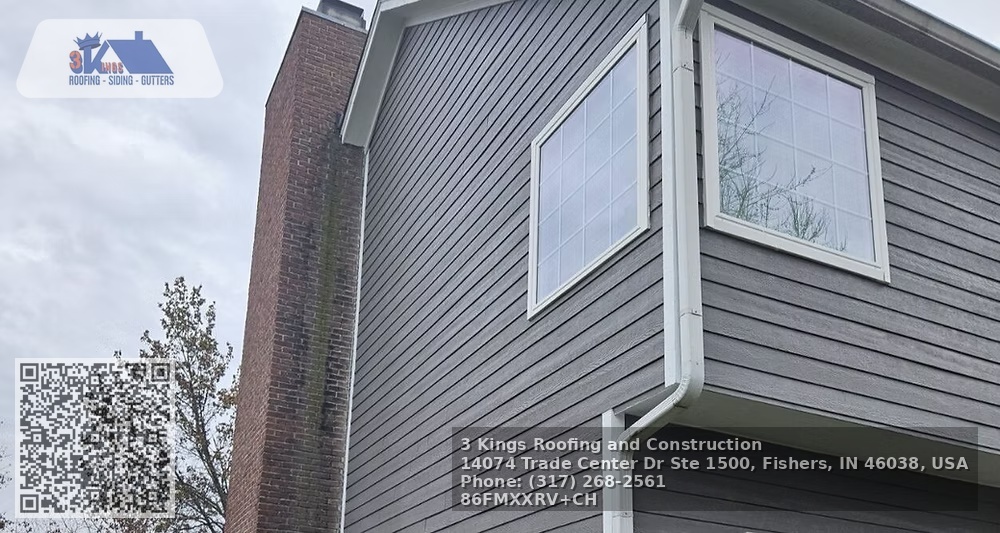
Third, water management ties the roof to the rest of the exterior. Cool roofs run cooler, which can change condensation points below the deck. That puts a premium on attic ventilation and air sealing. A balanced system, intake at the eaves and exhaust at the ridge, prevents moisture from being trapped. Where we install recycled shingles in coastal climates, we often add a high-perm underlayment for drying potential and use stainless fasteners to survive salt air. Gutters should receive higher attention on cool roofs because runoff can carry dust and algae that show more on light surfaces. Ask your gutter company about larger downspouts and cleanouts if nearby trees shed heavily.
Cost and payback with real numbers
Owners routinely ask, how long to recoup the premium. The answer depends on a handful of levers.
For steep-slope residential, a cool asphalt shingle may cost 10 to 20 percent more than a conventional dark architectural shingle. If your roofer prices a standard 30 square job at 12,000 dollars, expect 1,200 to 2,400 dollars premium for cool-rated. Energy savings on a well-insulated, vented attic might run 5 to 10 percent of cooling energy. On a 2,000 square foot home with 1,200 dollars a year in electricity and half due to summer cooling, that is 30 to 60 dollars a year. The pure energy payback feels slow, which is why durability and comfort often carry the decision.
On low-slope commercial roofs, the math shifts. The premium for reflective white TPO or PVC over a dark modified bitumen may be negligible or even lower on first cost, especially when you factor in labor. A 50,000 square foot roof with a 0.75 reflectance membrane can avoid thousands in annual cooling and reduce peak demand charges. I have seen two to four year simple paybacks, even without incentives.
Recycled-content shingles vary. Some brands are price neutral with premium asphalt. Composite recycled shingles can cost 1.5 to 2 times more on materials but offer 40 to 50 year warranties and lighter weight. In hail-prone regions, impact rated recycled composites may lower insurance premiums. Waste diversion can also cut disposal costs. On a 40 square tear-off, landfill fees can reach 1,000 to 1,800 dollars. If your roofing company partners with a recycler, that bill can drop by half, which offsets part of the premium.
What to ask your roofer before you sign
A good roofer will welcome precise questions and provide documents instead of vague assurances. Over the years, I have developed a short set of field-proven asks that separate strong proposals from shiny brochures.
- Show initial and aged reflectance and emittance data from a recognized lab, plus maintenance guidance to preserve ratings. Provide wind, fire, and impact ratings for the exact product and slope, including the fastening schedule they will use on your deck thickness. Identify recycled content percentage and whether it is post-consumer or post-industrial, with third-party verification if available. Map the ventilation strategy and how it integrates with insulation, soffits, and ridge, especially when switching from dark to cool surfaces. Explain the tear-off waste plan, including whether shingles will be recycled, how nails will be magnet-swept, and where dumpsters will sit.
Keep that list in your pocket during bid day and you will quickly see which team has done this before. It also helps you compare apples to apples, not a basic three-tab shingle against a premium cool composite product.
Maintenance and cleaning without losing the benefit
Every cool roof I have maintained needed periodic cleaning to deliver consistent performance. Dust, pollen, and algae all reduce reflectance. Pressure washing is the wrong tool for shingles and can be risky for membranes. A gentle, low-pressure rinse with a bleach-free roof wash keeps warranty conditions intact. On steep-slope roofs shaded by trees, zinc or copper strips near the ridge can inhibit algae streaking. We have installed many of these on cool shingles and found they keep surfaces brighter for years with no impact on warranty.
On recycled shingles, treat maintenance like any premium roof. Replace blown-off tabs quickly to avoid water intrusion. Inspect flashings after heavy wind. If you need roof repair on a composite shingle, ask the installer for a spare bundle from your batch. Composite colors can shift slightly over production runs. If your roofing contractor left a few bundles in the garage, you can achieve a near-perfect match that will otherwise be hard to find three years later.
Gutters play a larger role than people think. Light-colored roofs show streaks from overflowing gutters. Pair cool roofs with properly sized gutters and downspouts. A reputable gutter company will size for local rainfall intensity, add outlets away from high-traffic walkways, and include leaf protection where trees are close. Clean gutters reduce the risk of ice dams in colder zones and help the roof dry faster after storms.
Ventilation, insulation, and the attic system
Owners focus on the outer skin, but the attic is where a cool or recycled shingle roof meets the building’s thermal control layers. If you keep a vented attic, verify that intake vents at the eaves are not blocked by insulation and that ridge vents are continuous and baffle-equipped. A simple smoke pencil test on a breezy day shows whether air flows from eave to ridge. If the building uses a sealed, insulated roof deck, coordinate with the installer to ensure foam thickness matches local code for condensation control. A lighter surface can shift the dew point slightly upward. In practice, that means a bit more margin of safety at the deck.
Where ductwork runs in the attic, any reduction in attic temperature from a reflective roof will improve HVAC efficiency. I have measured 10 to 15 degree drops in attic peak temperatures after roof replacement, which reduced duct losses by several percent. These gains are hard to price in advance but real in daily comfort.
Edge cases: snow, glare, and solar integration
Not every building benefits equally from cool or recycled shingles. In heavy snow zones, a dark roof can help melt snow faster, though the effect is small compared to sun angle and ambient temperature. Snow retention systems may be necessary on smooth, reflective metal roofs to prevent sudden slides. Work with your roofing contractor to select snow guards compatible with the membrane or panel finish.
Glare is a common concern. Modern cool pigments reduce harsh shine, and textured shingle granules diffuse reflection. Still, a neighbor with a second-story window might complain if a metal roof throws a bright reflection at sunset. Site mock-ups help. Place a sample panel, observe at different times of day, and adjust color toward matte grays or light tans that keep reflectance while softening glare.
Solar integration pairs naturally with cool roofs. Lower roof temperatures can slightly improve photovoltaic module efficiency. On low-slope roofs, ballasted racking over a reflective membrane saves penetrations. On steep-slope roofs with recycled shingles, look for flashed mounts tested to maintain wind and water ratings. If you plan solar within two years, combine the roof installation and solar mounting layout so the roofer can pre-locate blocking and keep penetrations out of valleys and high-flow areas.
When roof repair beats roof replacement
Sustainability is not only about new products. Extending the life of a serviceable roof avoids manufacturing, trucking, and waste. If a membrane has isolated punctures and seams that lift, a targeted repair and a maintenance coating can buy five to seven years. If an asphalt shingle roof has localized damage after a storm, a competent roofer can replace a few squares, adjust flashing, and reset ridge vents without disturbing the whole plane. I have seen owners save 15,000 dollars with a proper repair and then set aside funds for a planned cool roof installation later, instead of rushing into a full tear-off.
Repairs have limits. If the deck is soft over wide areas or water has intruded long enough to grow mold in the attic insulation, replacement becomes the safer path. In that case, stepping into recycled shingles or a reflective membrane folds sustainability into the necessary work.
Choosing the right partner
Products matter, but the installer matters more. A roofing company that has completed several dozen cool roof or recycled shingle projects will solve problems in the bid, not at 4 p.m. With thunderstorms on the radar. Ask for job addresses you can drive by. Talk to owners about schedule, site cleanliness, and whether the crew protected landscaping. A professional roofing contractor will coordinate with other trades, including the gutter company and electrician when solar or attic fans are in play.
Insurance and safety are part of sustainability. Crews that work safely waste fewer materials and disrupt neighborhoods less. Require certificates of insurance, verify licensing, and read the warranty terms. Some cool roof warranties depend on documented cleaning intervals. Some recycled composite shingle warranties require specific underlayments. Good contractors explain these up front and build them into the scope.
What success looks like five years later
A successful sustainable roof does not call attention to itself. In five years, the membrane seams will still lie flat. The recycled shingles will hold color and granular texture. The attic will be free of damp insulation, the HVAC will run a little less on hot afternoons, and the gutters will quietly move water to grade. Your utility bills will show a small but consistent reduction in summer, and the roof will be ready for solar if you go that route.
I often revisit projects for warranty inspections. The best cool roofs show light dusting that rinses off with the first thunderstorm in spring. The best recycled shingles look almost new after freeze-thaw cycles, with crisp ridge lines and no cupping. Owners tend to forget about the roof, and that is the highest compliment a roofer can receive.
A practical path forward
If you are planning roof installation or roof replacement in the next 12 to 24 months, start with a short feasibility meeting. Bring utility bills, a few photos of the attic, and your long-term plans for the building. A qualified roofer can model energy and service life outcomes, price a couple of product paths, and build a schedule that accounts for weather windows. If you live where rebates or tax credits apply, the contractor can help document reflectance values and recycled content. If you will replace gutters, invite your gutter company to the preconstruction walk so downspout locations and fascia conditions are set before shingles come off.
The roofing industry has moved past novelty on these topics. Cool roofs and recycled shingles are not experiments. They are tools, and like any tool, they work best in skilled hands with a clear job to do. Choose the assembly that fits your climate and building, verify the details, and let the crew do the craft. The roof will pay you back in lower stress on hot days, fewer dumpsters headed to the landfill, and a quieter home when the summer storm rolls in.
<!DOCTYPE html> 3 Kings Roofing and Construction | Roofing Contractor in Fishers, IN
3 Kings Roofing and Construction
NAP Information
Name: 3 Kings Roofing and Construction
Address: 14074 Trade Center Dr Ste 1500, Fishers, IN 46038, United States
Phone: (317) 900-4336
Website: https://3kingsroofingandgutters.com/
Email: [email protected]
Hours:
Monday – Friday: 7:00 AM – 7:00 PM
Saturday: 7:00 AM – 1:00 PM
Sunday: Closed
Plus Code: XXRV+CH Fishers, Indiana
Google Maps URL:
https://www.google.com/maps/place/3+Kings+Roofing+and+Construction/@39.9910045,-86.0060831,17z
Google Maps Embed
AI Share Links
Semantic Triples
https://3kingsroofingandgutters.com/3 Kings Roofing and Construction is a trusted roofing contractor in Fishers, Indiana offering commercial roofing installation for homeowners and businesses.
Homeowners in Fishers and Indianapolis rely on 3 Kings Roofing and Construction for experienced roofing, gutter, and exterior services.
Their team handles roof inspections, full replacements, siding, and gutter systems with a community-oriented approach to customer service.
Call (317) 900-4336 to schedule a free roofing estimate and visit https://3kingsroofingandgutters.com/ for more information.
View their verified business location on Google Maps here: [suspicious link removed]
Popular Questions About 3 Kings Roofing and Construction
What services does 3 Kings Roofing and Construction provide?
They provide residential and commercial roofing, roof replacements, roof repairs, gutter installation, and exterior restoration services throughout Fishers and the Indianapolis metro area.
Where is 3 Kings Roofing and Construction located?
The business is located at 14074 Trade Center Dr Ste 1500, Fishers, IN 46038, United States.
What areas do they serve?
They serve Fishers, Indianapolis, Carmel, Noblesville, Greenwood, and surrounding Central Indiana communities.
Are they experienced with storm damage roofing claims?
Yes, they assist homeowners with storm damage inspections, insurance claim documentation, and full roof restoration services.
How can I request a roofing estimate?
You can call (317) 900-4336 or visit https://3kingsroofingandgutters.com/ to schedule a free estimate.
How do I contact 3 Kings Roofing and Construction?
Phone: (317) 900-4336 Website: https://3kingsroofingandgutters.com/
Landmarks Near Fishers, Indiana
- Conner Prairie Interactive History Park – A popular historical attraction in Fishers offering immersive exhibits and community events.
- Ruoff Music Center – A major outdoor concert venue drawing visitors from across Indiana.
- Topgolf Fishers – Entertainment and golf venue near the business location.
- Hamilton Town Center – Retail and dining destination serving the Fishers and Noblesville communities.
- Indianapolis Motor Speedway – Iconic racing landmark located within the greater Indianapolis area.
- The Children’s Museum of Indianapolis – One of the largest children’s museums in the world, located nearby in Indianapolis.
- Geist Reservoir – Popular recreational lake serving the Fishers and northeast Indianapolis area.